Table of Contents


From the editor: Engineering is a side of ASAPP you don’t often see. Behind the scenes, our teams spend countless hours contributing to the broader tech ecosystem. This Giving Tuesday, we’re highlighting some of those contributions.
Last year, an ASAPP researcher published a paper on self-improvement paradigms for large language model (LLM) agents. Months later, that paper was cited in a research paper external to ASAPP. This research sparked an insight that our team later built into our product. This is how knowledge compounds in tech; you share something, the community improves it, and it comes back better than you sent it out.
At ASAPP, we built our tech culture around this principle, and this culture has sustained globally across our various locations. Our engineers contribute to open-source software (OSS) projects like Unleash, the ArgoCD ecosystem, Docker, and the Vault ecosystem. Our researchers publish openly, rather than keeping things proprietary. Our leaders and engineers speak at conferences like HashiConf, ObservabilityCON, and Techfutures by Women Who Code, sharing hard-won lessons with the community.
This Giving Tuesday, we're spotlighting how our global teams contribute to their local tech communities—from the Docker community in India to research published in New York. Take a look!
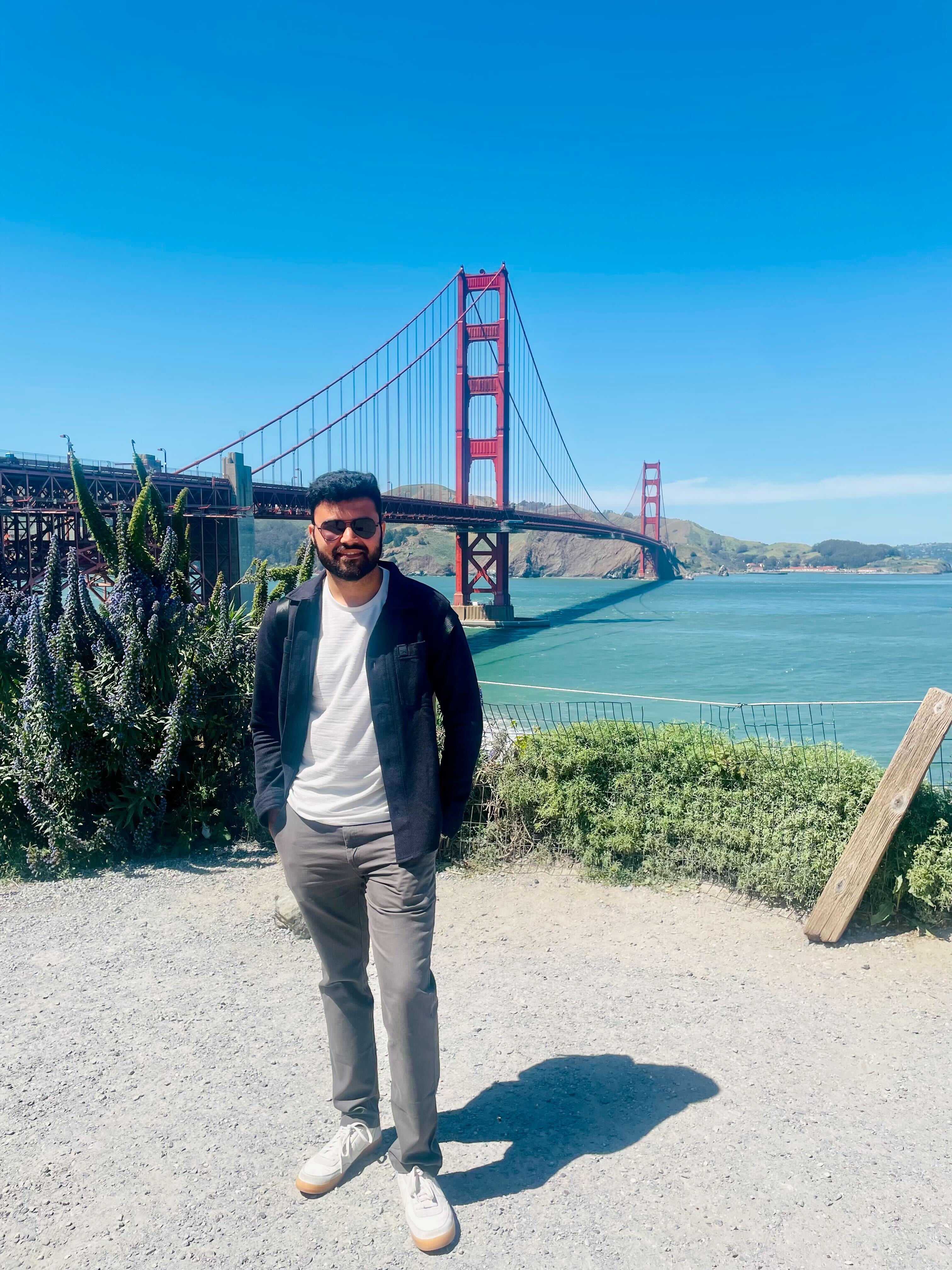
Akshay Uppal – Machine Learning Engineer
“Don’t be shy. Putting yourself out there builds momentum and unlocks new opportunities.”
Akshay Uppal
Machine Learning Engineer, ASAPP
What’s your role at ASAPP, and what kind of work do you love most about it?
Staff Machine Learning Engineer. Creating solutions around state-of-the-art research to get tangible impact (a.k.a. bridging the gap between research and the industry) is something that excites me. Critical problems, state-of-the-art solutions, pushing the impact boundary!
How did you first get involved in the tech community?
My contributions in the past have mainly been about technical education. I have conducted some education sessions, written some detailed blogs, and made research papers and ideas more accessible for everyone.
What OSS/community projects do you contribute to?
I mainly publish detailed machine learning blog posts, with some featured and sponsored by Weights & Biases (W&B), an AI developer platform company.
What’s a contribution or moment you’re particularly proud of?
When W&B invited me to publish a featured blog and later returned asking for another.
What’s the most rewarding part of contributing?
Making complex ideas easier for others to understand and apply is incredibly fulfilling.
What advice would you give someone who wants to start but doesn’t know how?
Don’t be shy. Putting yourself out there builds momentum and unlocks new opportunities.
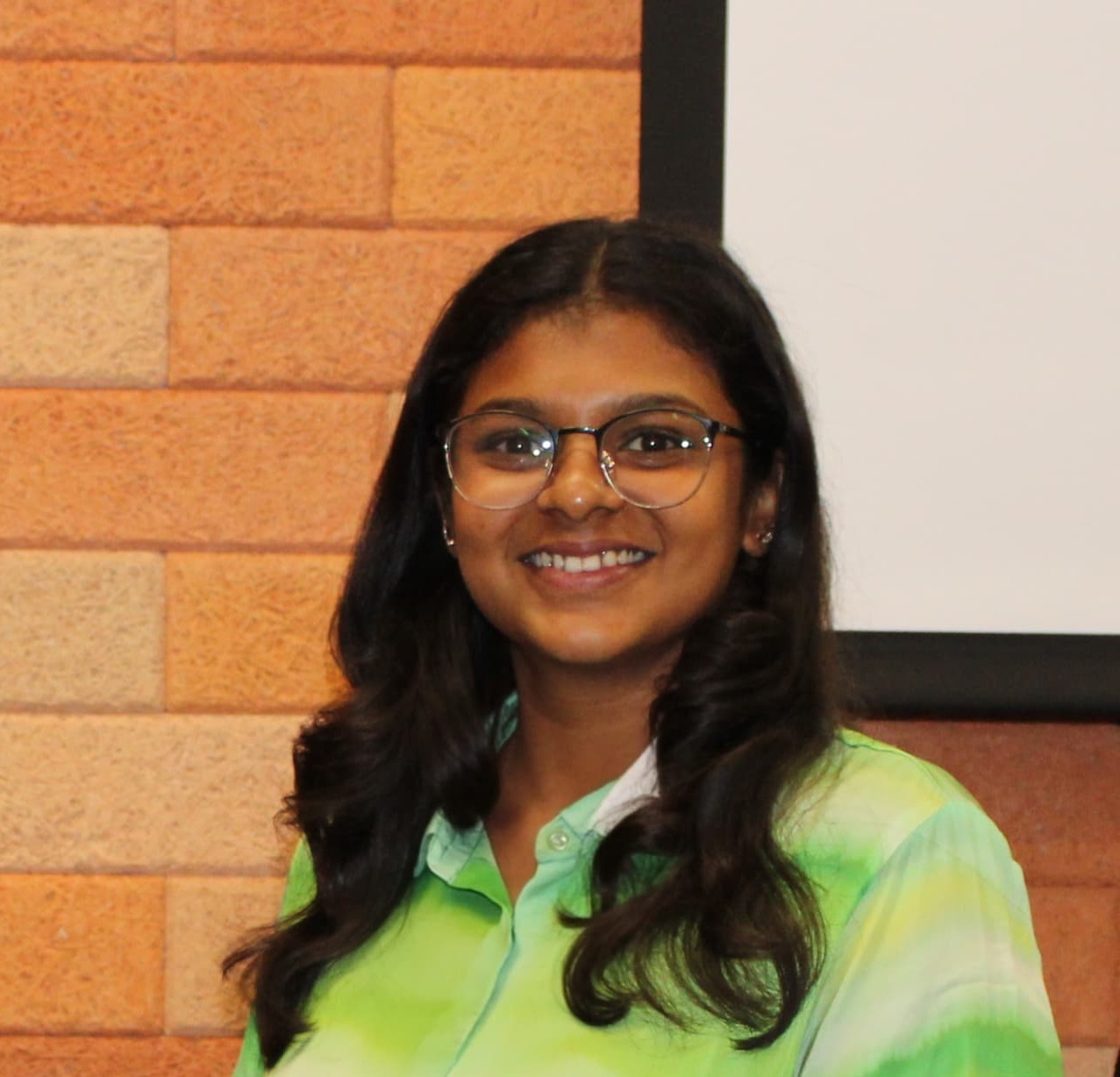
Alaguprakalya P – Machine Learning Engineer
"For me, it’s the community, the energy, the constant learning, and the meaningful connections that come from building and growing together."
Alaguprakalya P
Machine Learning Engineer, ASAPP
What’s your role at ASAPP, and what do you love most about it?
Machine Learning Engineer. I love fine-tuning models and engineering deployments of production systems.
How did you first get involved in the tech community?
My journey began by experimenting with GPT-2 in Tamil and Malayalam and sharing results locally, which led to deeper exploration of Retrieval-Augmented Generation (RAG), agents, Docker (an open platform for developing, shipping, and running applications), and eventually becoming a Docker Captain.
What OSS/community projects do you contribute to?
I contribute to the Docker community through demos, real-world examples, and supporting developers with insights, talks, and content.
What’s a contribution or moment you’re proud of?
AgentCon 2025 was a standout moment for me, my first event as a Docker Captain. Seeing the energy and curiosity from the audience, especially students, eager to understand productionizing beyond “one API call” setups, was incredible. It reinforced my thoughts for sharing practical tech insights that help others connect the dots beyond the surface.
What’s the most rewarding part of contributing?
For me, it’s the community, the energy, the constant learning, and the meaningful connections that come from building and growing together
What advice would you give someone starting out?
Start small and follow your curiosity. Open source always has room for you, whether you’re into machine learning, systems, or anything in between. And if you enjoy people and sharing knowledge, join local meetups, especially in Bangalore, where there’s something exciting happening every weekend in literally every domain.
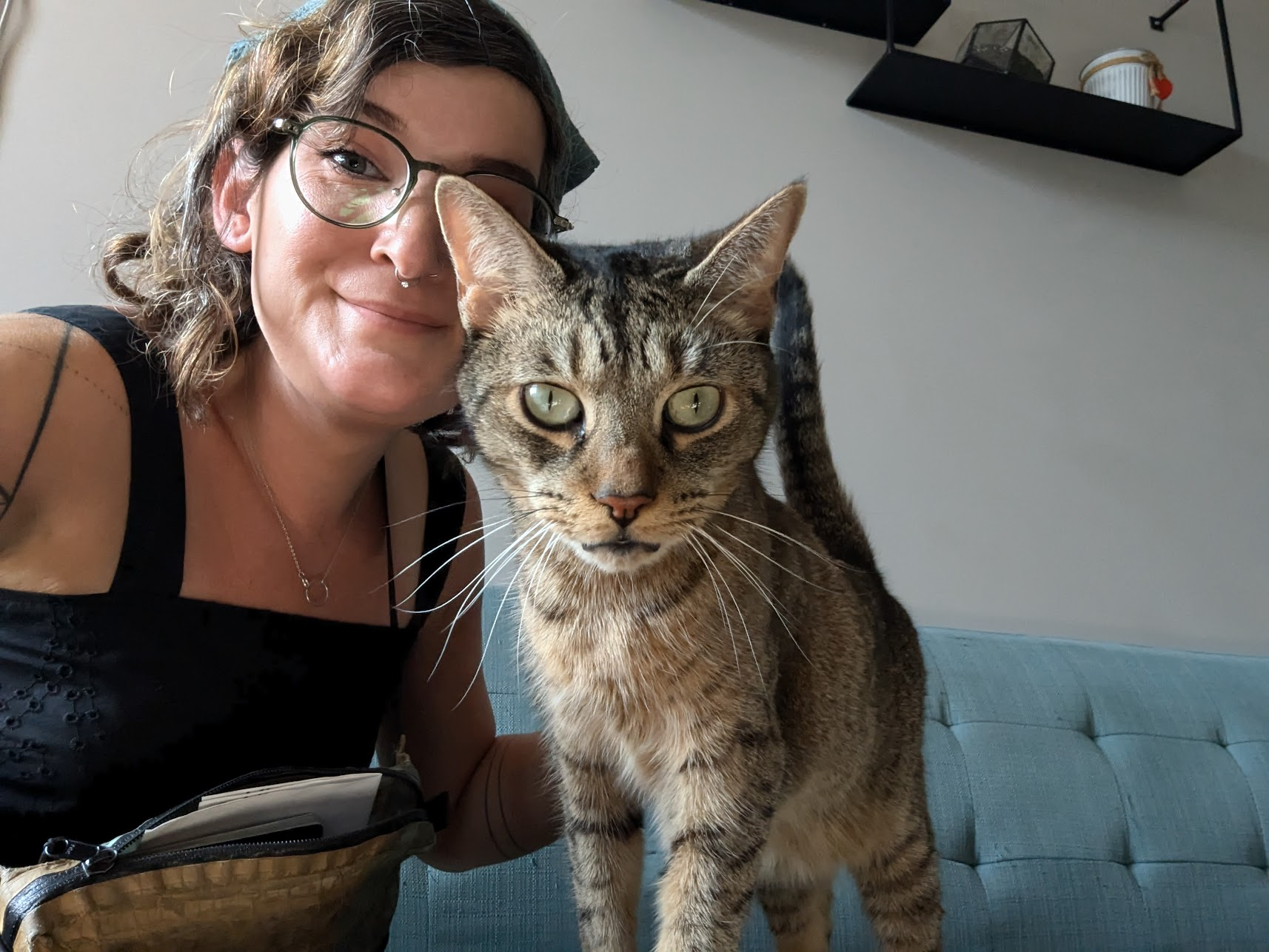
Emma Black – Software Engineer
"Find something you are passionate about, find other people who are passionate about the same thing, and talk to them about how you might be able to help out!"
Emma Black
Software Engineer, ASAPP
What’s your role at ASAPP, and what do you love most about it?
Staff Software Engineer. I work on the Platform Engineering Team. My main focus is on building out internal tooling and CICD (Continuous Integration and Continuous Delivery). I like the idea of working on something that can help out my coworkers directly and help reduce the overhead on them in order to keep things organized and flowing.
How did you first get involved in open source?
I was frustrated by the limitations of medical device technology and began developing an Android app to work with my continuous glucose monitor without the bulky hardware.
What OSS/community projects do you contribute to?
I created xDrip, an open-source Android app aimed to help streamline continuous glucose monitoring by allowing users to view readings directly on their phones wirelessly—something not possible at the time. It introduced more accurate calibration, extended sensor use from 7 to 60+ days, and added smart alerts and remote monitoring through Nightscout, another open-source project. The project inspired companion tools like NightWatch and served as a data source for the android artificial pancreas system. Supported by a large global community, xDrip has been featured in museums, cited in medical research, and continues to grow as a community-maintained project transforming diabetes care.
What moment in OSS are you most proud of?
I have to say the best feeling was when Dr. Katrina Braune reached out to me to let me know how she was using the app in order to help NICU babies!
What’s the most rewarding part of contributing?
The coolest thing for me is when I realize people find it useful and refer someone else to xDrip as something they should try.
What advice would you give someone starting out?
Find something you are passionate about, find other people who are passionate about the same thing, and talk to them about how you might be able to help out!
Ivan Lee – Principal Software Engineer

"I love seeing how people use the things I've built! It's great to have design/feature decisions affirmed and to hear pain points/things that need improvement."
Ivan Lee
Principal Software Engineer, ASAPP
What’s your role at ASAPP, and what do you love most about it?
Principal Software Engineer. I work on developer experience, infrastructure, and highly cross-functional projects. I love ASAPP's agility and growth mindset - we have a lot to do, and we give people the tools to do it!
How did you first get involved in open source?
I wanted to learn how to build realTM things in Python.
What OSS/community projects do you contribute to?
Projects include Unleash-client-python for feature flagging, Rubrical for dependency checks in CICD pipelines, Argonap for ArgoCD automation using Sync Windows, and Tangle for visualizing differences early in ArgoCD in the SDLC (Software Development Life Cycle).
What moment in OSS are you proud of?
Unleash-client-python is used constantly and is foundational to how we deploy and release Python services.
What’s the most rewarding part of contributing?
For others, I love seeing how people use the things I've built! It's great to have design/feature decisions affirmed and to hear pain points/things that need improvement. For myself, I discovered rather late in life that I'm a kinesthetic learner (i.e., I learn by doing). Open-source lets me broaden my horizons by allowing me to get hands-on time with languages and tools I wouldn't normally use in my day-to-day work.
What advice would you give someone starting out?
Start small! Start with a library or project you use day-to-day (so you have context), pick a small thing (bug fix, better documentation, etc.), and build connections with other maintainers.
Pato Arvizu – Site Reliability Engineer

"When I see GitHub issues or pull requests, it tells me that people out in the wild are using what I built, some of them even in production."
Pato Arvizu
Site Reliability Engineer, ASAPP
What’s your role at ASAPP, and what do you love most about it?
Staff Site Reliability Engineer. Work on infrastructure, FinOps and SRE (Sire Reliabillity Engineering) concerns at ASAPP.
How did you first get involved in open source?
The drive to get things done myself in a way that also benefitted the community.
What OSS/community projects do you contribute to?
I have a few repos in the Vault ecosystem (more prominently this). I originally created a Terraform provider for OpenVPN Cloud and donated it to OpenVPN, which now lives here and to which I'm still a contributor.
What moment in OSS are you proud of?
When a big organization like OpenVPN was not only interested in my work but was also interested in adopting it and growing it.
What’s the most rewarding part of contributing?
When I see GitHub issues or pull requests, it tells me that people out in the wild are using what I built, some of them even in production.
What advice would you give someone starting out?
A lot of open-source repos need help with documentation, with tasks as easy as proofreading; look for those to get started with contribution. Also, some repos have issues labeled "Good first issue", which are tasks that are small and easy enough for a newcomer to take on and get familiar with the project.
Sergey Kheyfets – Senior Voice Infrastructure Engineer
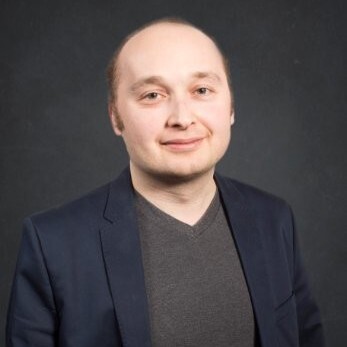
"Pick OSS that you need for something and don't be afraid to dive into how that OSS code actually works."
Sergey Kheyfets
Senior Staff Voice Infrastructure Engineer, ASAPP
What’s your role at ASAPP, and what do you love most about it?
Senior Staff Voice Infrastructure Engineer, building new integrations of components in Voice Infrastructure.
How did you first get involved in open source?
I needed a missing feature in an open-source project and decided to add it myself.
What OSS/community projects do you contribute to?
I contribute to the LiveKit Golang SDK, which supports real-time communication with the LiveKit WebRTC platform.
What moment in OSS are you proud of?
I only have a couple of contributions, but they've added the ability to do end-to-end encryption with LiveKit using Golang SDK (which was previously only available in Javascript SDK) and provided documentation and examples for other developers on how to use it.
What’s the most rewarding part of contributing?
OSS provides a lot of value to build solutions on, and being able to contribute back is very rewarding
What advice would you give someone starting out?
Pick OSS that you need for something and don't be afraid to dive into how that OSS code actually works.
Udit Saxena – Lead Machine Learning Engineer
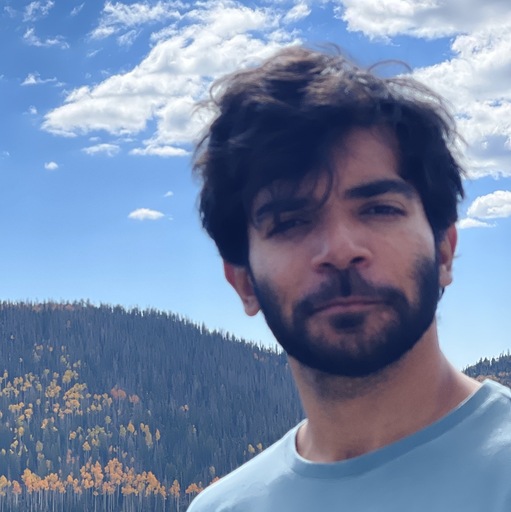
"Asking in the forums is always helpful, but also, being able to run it yourself using READMEs is a great start to hacking on it and getting quick small wins."
Udit Saxena
Lead Machine Learning Engineer, ASAPP
What’s your role at ASAPP, and what do you love most about it?
Lead Machine Learning Engineer. I find contributing to the state of the art on artificial intelligence the most satisfying.
How did you first get involved in open source?
I got accepted into Google Summer of Code when I was in my junior year. I spent an entire summer working on early open-source code.
What OSS/community projects do you contribute to?
I've contributed to MLPACK, a C++ machine learning engine.
What moment in OSS are you proud of?
Contributed a previously unsupported machine learning algorithm to MLPACK.
What advice would you give someone starting out?
Asking in the forums is always helpful, but also, being able to run it yourself using READMEs is a great start to hacking on it and getting quick small wins.